Detroit Records World’s Worst Air Quality as Smoke Covers Michigan
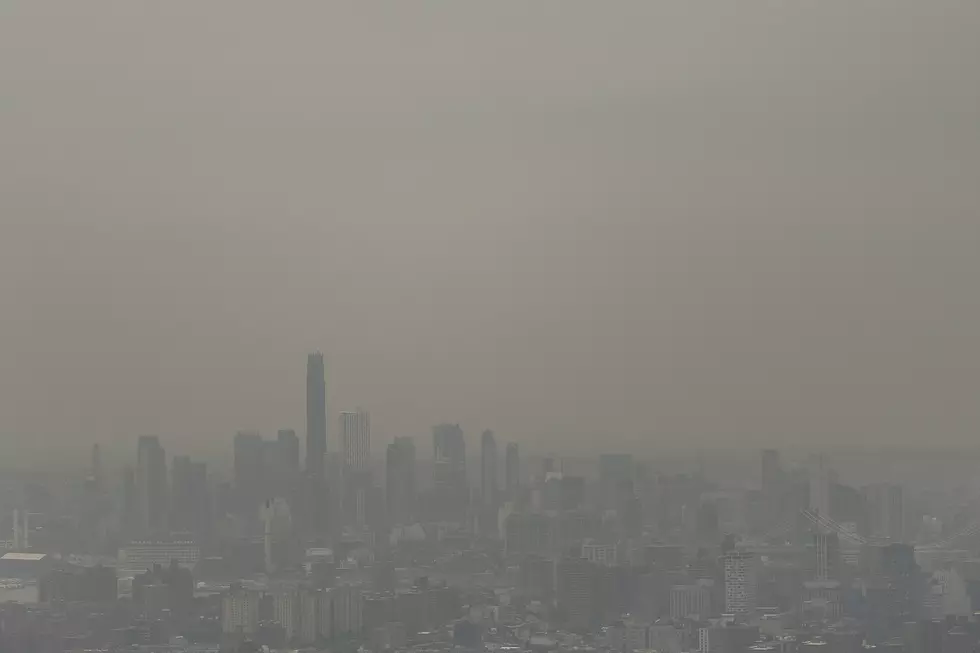
Michigan is dealing with another round of unhealthy air as thick wildfire smoke continues to drift across the state.
What Does a Hazardous AQI Mean?
Detroit briefly recorded the worst air quality among major cities around the world Thursday, according to IQAir. The city's Air Quality Index climbed 724 around 12:15 p.m., placing conditions well into the hazardous category.
For some perspective, an AQI between zero and 50 is considered good. Anything over 300 is considered hazardous and can affect everyone, not just people with asthma or other health conditions.
Mid-Michigan was also hit hard by the smoke.
Lansing's air quality climbed above 400 earlier Thursday before improving slightly to around 367 by noon. Even with a drop, conditions remained hazardous, and residents could see and smell the smoke hanging over the area.
Why Is Michigan’s Air Quality So Bad?
The smoke is coming from wildfires burning in Canada and Minnesota and has continued to settle over much of Lower Michigan.
The Michigan Department of Environment, Great Lakes and Energy issued a statewide Air Quality Alert for Thursday because of the conditions.
Who Is Most at Risk From Wildfire Smoke?
During hazardous air quality, people are encouraged to limit time outside, especially strenuous outdoor activity. Children, older adults, pregnant people, and anyone with heart or lung conditions may be more likely to experience problems.
How to Protect Yourself From Wildfire Smoke
Residents should keep their windows closed when possible and use air conditioning or an air purifier to keep indoor air cleaner. Anyone who has spent time outside may want to consider wearing a well-fitting N95 mask.
Symptoms from smoke exposure can include coughing, irritated eyes, headaches, chest tightness, and trouble breathing. Pets may also be affected, so outdoor time should be kept shorter for them as well.
Ways To Improve Indoor Air Quality During Wildfire Smoke
Gallery Credit: Lauren Wells


